Mobility
If limited movement appears relevant to your goals, exercises may be used to work on the mobility you need for everyday activity.
Feeling better matters. Being able to get back to the things that matter to you is the bigger goal.
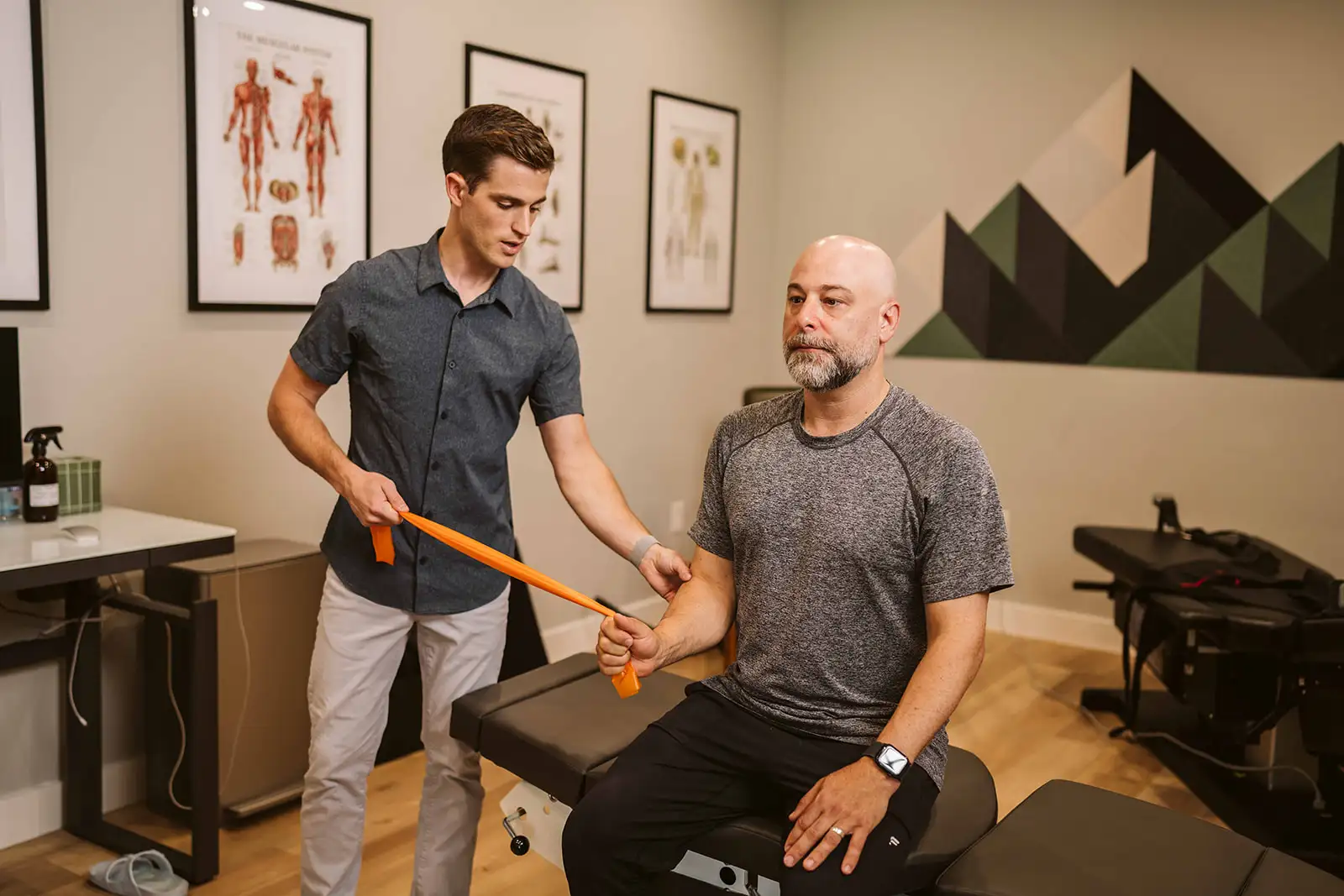
At Summit Spine & Wellness, active rehabilitation uses individualized movement and exercise to build strength, mobility and confidence around the demands of your everyday life.
Built Around Your Goals
Movement That Fits Real Life
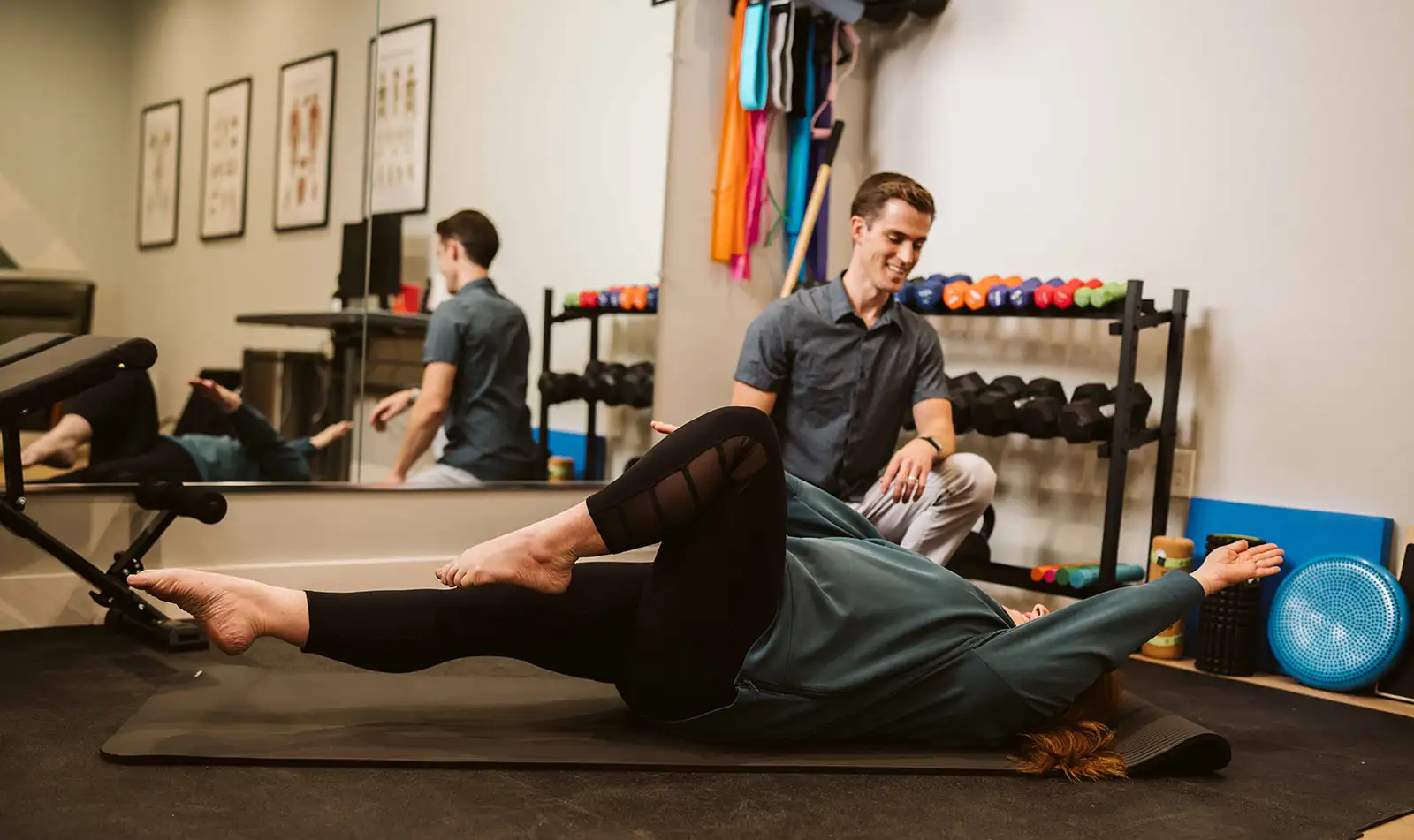
Exercise for the sake of exercise is not the goal.
At Summit, rehabilitation should connect to something meaningful.
Maybe an injury has kept you out of the gym. Maybe a movement that used to feel easy now feels limited. Maybe you are ready to become active again but are not confident about where to start.
Maybe your job places physical demands on your body that you need to handle more comfortably. Or maybe you have already made progress with care and now want to build strength, mobility, and confidence around that progress.
Those are the kinds of goals that give rehabilitation direction.
Dr. Hiebert wants to understand:
The answers help determine what role active rehabilitation may have in your care.
The exercise should fit the goal. The goal should not be built around the exercise.
Active rehabilitation is Summit’s broader movement and exercise-based service.
Rather than relying only on care that happens while you are lying on a treatment table, active rehabilitation gives you an opportunity to actively work on the abilities your body needs outside the clinic.
Depending on your individual situation, rehabilitation may focus on areas such as:
Not every patient needs the same focus.
For one person, mobility may be the priority. For another, strength may need more attention. Someone else may need a more structured progression before returning to an activity they have been avoiding.
Your plan should reflect your starting point and your goal.
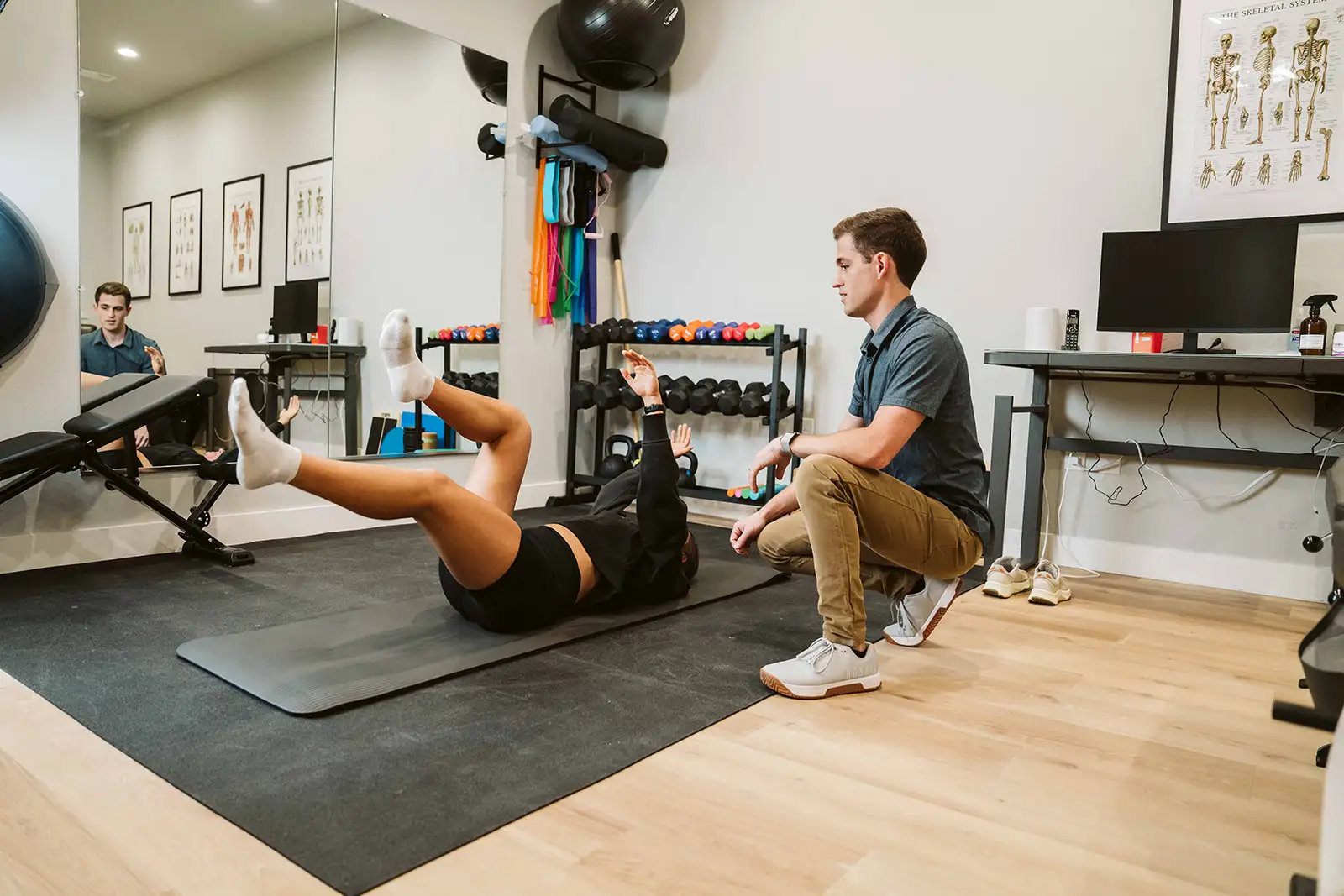
Hands-on care can be useful for the right patient.
But your body also has to function when you are no longer in the office.
That is why active strategies can be an important part of care.
Rehabilitation gives Dr. Hiebert another way to help connect what happens in the clinic to what you want your body to do in real life.
For some patients, active rehabilitation may become a central part of the plan. For others, only a small amount of guided exercise may be appropriate.
The goal is not to add exercises simply because Summit offers rehabilitation. The goal is to use movement when it helps you work toward something meaningful.
There is no automatic Summit rehabilitation program.
Dr. Hiebert considers the individual patient before deciding what exercises or movement strategies may be useful.
Two patients can come in with similar complaints and have completely different goals.
One person may want to return to lifting weights. Another may want to comfortably handle a physically demanding workday. Another may want to get back onto the golf course. Someone else may simply want everyday activities to feel easier.
Those differences matter.
Your rehabilitation should reflect the person you are and the life you are trying to get back to.
There is no single list of active rehabilitation exercises that every Summit patient receives.
The exercises depend on your evaluation and what you are trying to improve.
They may focus on areas such as:
If limited movement appears relevant to your goals, exercises may be used to work on the mobility you need for everyday activity.
Some patients may benefit from gradually building strength related to the activities they want to perform.
Rehabilitation may include practicing movements in a way that helps you become more comfortable and confident using your body.
As appropriate, exercises may become more connected to the things your body actually needs to do during work, exercise, sports, or daily life.
The important part is not the name of the exercise. It is understanding why you are doing it and how it relates to your goal.
Your starting point is just that: a starting point.
As your abilities change, your rehabilitation may need to change too.
An exercise that makes sense early in care may eventually become too easy. Another movement may need to be modified. A different exercise may become more relevant as you get closer to returning to an activity.
The plan should not stay frozen simply because it was written down during your first visit.
Progression should be based on how you are doing and where you are trying to go.
That is one of the reasons Summit emphasizes measurable progress rather than simply completing exercises.
Progress should connect back to the reason you started rehabilitation.
Completing an exercise is not necessarily the goal by itself.
The more useful questions are things like:
The specific way progress is evaluated will depend on your situation.
The goal is to have a reason for continuing, progressing, changing, or eventually reducing the rehabilitation being used.
You should be able to understand what you are working toward.
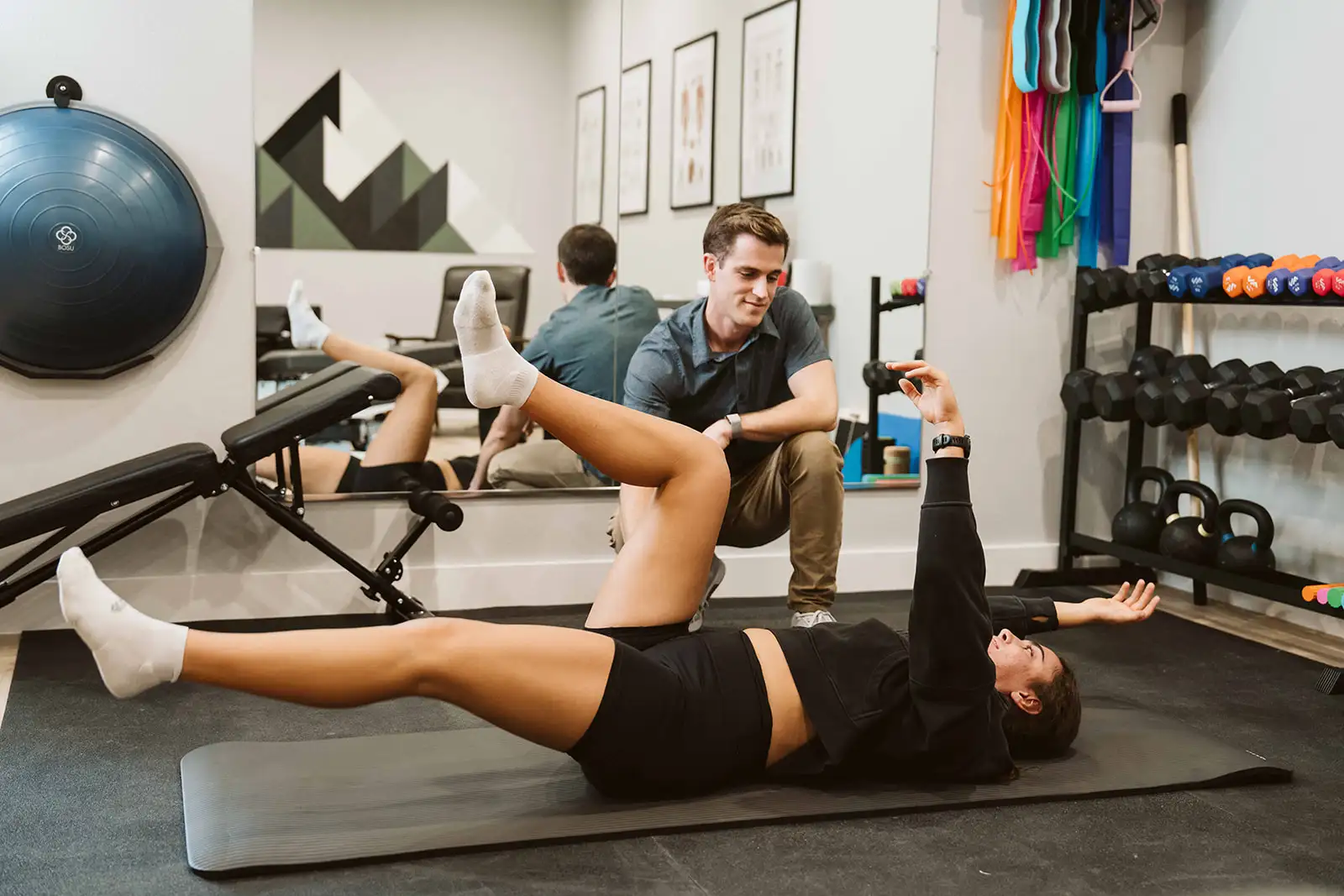
An injury can change more than how something feels.
It can also change how confident you are using that part of your body.
You may begin avoiding certain movements. You may reduce your activity. You may stop exercising. Or you may feel better than you did initially but still not feel ready to return to everything you were doing before.
Active rehabilitation may be used to help bridge that gap when appropriate.
The goal is not to rush you back into an activity.
It is to help build toward the strength, mobility, movement control, and confidence needed for the next step.

For patients who enjoy being active, simply feeling better while sitting still may not feel like enough.
You want to know whether your body can begin handling the things you enjoy again.
Active rehabilitation can provide a more structured way to work toward those demands.
The specific progression should still depend on the individual.
There is no universal point where every patient is automatically “ready.”
Dr. Hiebert can consider your current ability, your goals, and how you are progressing as you work toward returning to activity.
Summit is not only for athletes.
You do not need an athletic goal for strength, mobility, and movement confidence to matter.
For many patients, meaningful progress looks much more ordinary.
Those goals are every bit as valid as returning to a competitive sport.
Dr. Hiebert’s approach is to understand your summit, not decide what your goal should be for you.
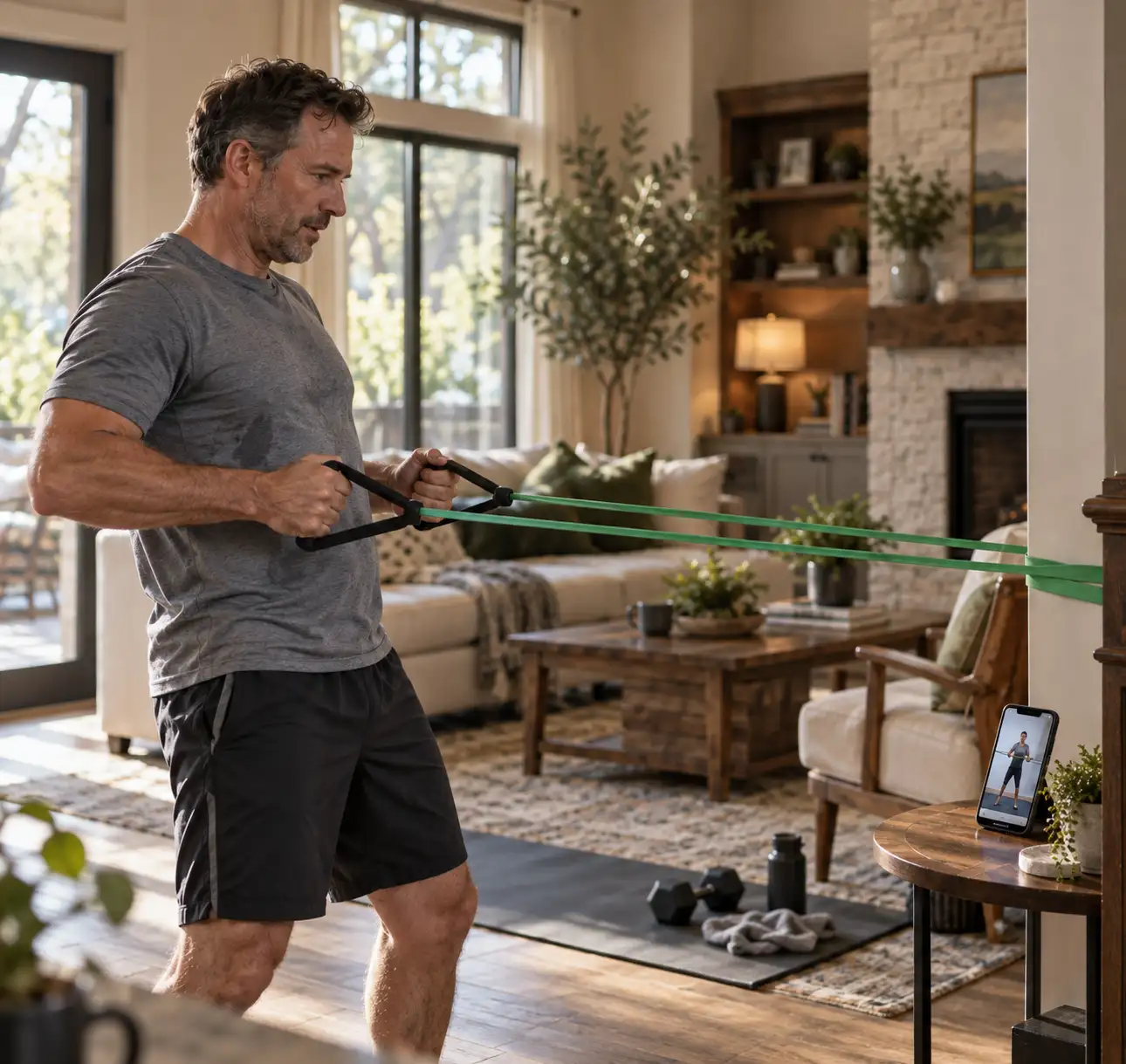
When home exercises are appropriate, they should be realistic enough to fit into your life.
A home program should not feel like you were handed a second job.
You should understand:
A focused program that you understand is more useful than being overwhelmed by a long list of exercises with no clear purpose.
As you progress, the home component can be adjusted along with the rest of your rehabilitation plan.
Active rehabilitation does not have to stand alone.
Depending on your individual needs, Dr. Hiebert may consider other Summit services alongside movement and exercise.
Chiropractic adjustments may be used when appropriate as part of a broader plan focused on mobility and function.
Explore Chiropractic AdjustmentsHands-on soft tissue care may sometimes be considered when muscle-related restrictions or discomfort appear relevant to your movement.
Explore Soft Tissue TherapyDry needling may be considered for selected muscle-related concerns when appropriate and may be used as part of a broader plan rather than as a replacement for active care.
Explore Dry NeedlingFor selected back, disc-related, or nerve-related concerns, spinal decompression may be considered when appropriate.
Explore Spinal DecompressionThe goal is not to combine as many services as possible.
The goal is to determine the smallest useful combination of strategies that makes sense for the person in front of us.
There is natural overlap between these two Summit services, but they have different areas of emphasis.
Active Rehabilitation has a broader focus on:
Corrective Exercise & Posture focuses more heavily on:
You do not need to determine which category you fit into before scheduling. Dr. Hiebert can evaluate what is going on and help determine which approach may make the most sense.
Explore Corrective Exercise & Posture Care
One of the easiest ways to become discouraged with exercise is to compare your starting point with someone else's.
That is not necessary here.
You may be very active. You may be returning after an injury. You may not have exercised regularly in years. You may simply want to feel more capable in everyday life.
Where you start is information.
It is not a judgment.
The purpose of an individualized rehabilitation plan is to begin where you are and build from there when appropriate.
Summit was created to be welcoming to people of different ages, backgrounds, fitness levels, and goals.
Active rehabilitation uses guided movement and exercise as part of an individualized plan. At Summit, the focus may include strength, mobility, movement control, functional rehabilitation, and working toward meaningful activity goals.
That depends on your evaluation and your goals. There is no standard exercise routine that every patient receives. Exercises are selected based on what appears relevant to your individual situation.
Dr. Hiebert considers your examination findings, current abilities, previous injuries, activity level, work or recreational demands, and what you want to accomplish.
Progress should relate to your goal. Depending on your situation, that may include changes in strength, mobility, movement ability, confidence, activity tolerance, or your ability to return to work, exercise, sports, hobbies, or everyday activities.
Home exercises may be recommended when appropriate. They should be focused, understandable, and connected to the goals you are working toward.
No. Summit works with people at many different activity levels. Your goal may involve sports or exercise, but it could just as easily involve work, walking, travel, family activities, or everyday movement.
There is overlap, but Active Rehabilitation has a broader focus on injury recovery, strength and mobility progression, movement control, measurable progress, and returning to activity. Corrective Exercise & Posture focuses more heavily on posture habits, desk and workstation concerns, prolonged positions, and related movement strategies.
Summit describes this service as Active Rehabilitation and guided exercise. We do not present it as physical therapy.
Yes, when appropriate. Rehabilitation may be used alongside chiropractic adjustments or other Summit services as part of an individualized plan.
No. You do not need to choose your own treatment before coming in. Start by explaining what is going on and what you want to get back to doing.
Summit Spine & Wellness provides individualized active rehabilitation for people in Colleyville who want to work on mobility, strength, movement control, recovery, and returning to meaningful activity.
Tell Dr. Hiebert what has become difficult, what you want to improve, and what you want to get back to doing. He’ll evaluate what is going on and explain whether Active Rehabilitation belongs in your plan.
The exercise should fit the goal.
Individualized movement. Practical progress. No one-size-fits-all exercise plan.