
$69 New Patient OfferView Offer
Hands-On Muscle & Movement Care

Soft Tissue Therapy in Colleyville, TX

Tight, sensitive or restricted muscles can make work, exercise and everyday movement more difficult.

At Summit Spine & Wellness, Dr. Hiebert uses hands-on soft tissue techniques when appropriate to address muscle and surrounding tissue concerns as part of an individualized care plan.

Targeted hands-on treatment

Selected around your evaluation and goals

May complement chiropractic and rehabilitation

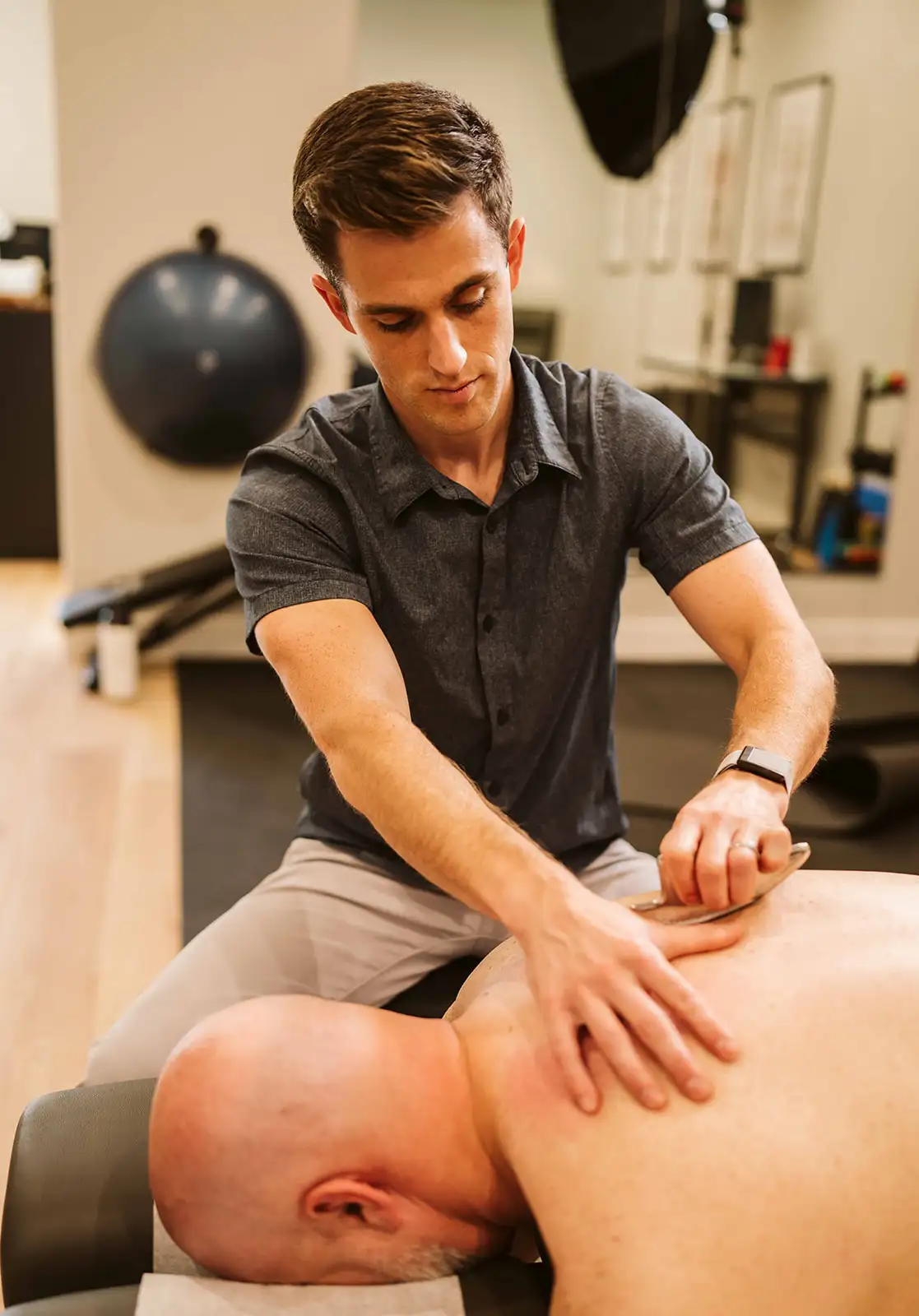
Dr. Hiebert providing instrument-assisted soft tissue therapy to a patient's upper back
Start With the Person

When a Tight Muscle Keeps Getting Your Attention

Maybe your shoulder always feels tight after working at a desk.

Maybe your hip or leg becomes uncomfortable every time you run.

Maybe you feel restricted when you turn your neck, reach overhead, squat, train, golf, or move a certain way.

Or maybe you have an area that simply feels like it never completely loosens up.

You do not need to figure out which soft tissue technique you need before scheduling.

That is part of the evaluation.

Dr. Hiebert wants to understand:

Where do you feel the problem?

When do you notice it?

What movements seem difficult or restricted?

What have you already tried?

Does the area keep coming back?

How is it interfering with work, exercise, sports, sleep, or everyday life?

What would you like to be able to do more comfortably?

Treatment Context

The technique comes after understanding the person.

Those answers give treatment context. Soft tissue therapy may be useful.

Dry needling may be worth discussing.

Movement or active rehabilitation may need to play a larger role.

Chiropractic care may also be appropriate.

Or another direction may make more sense entirely.

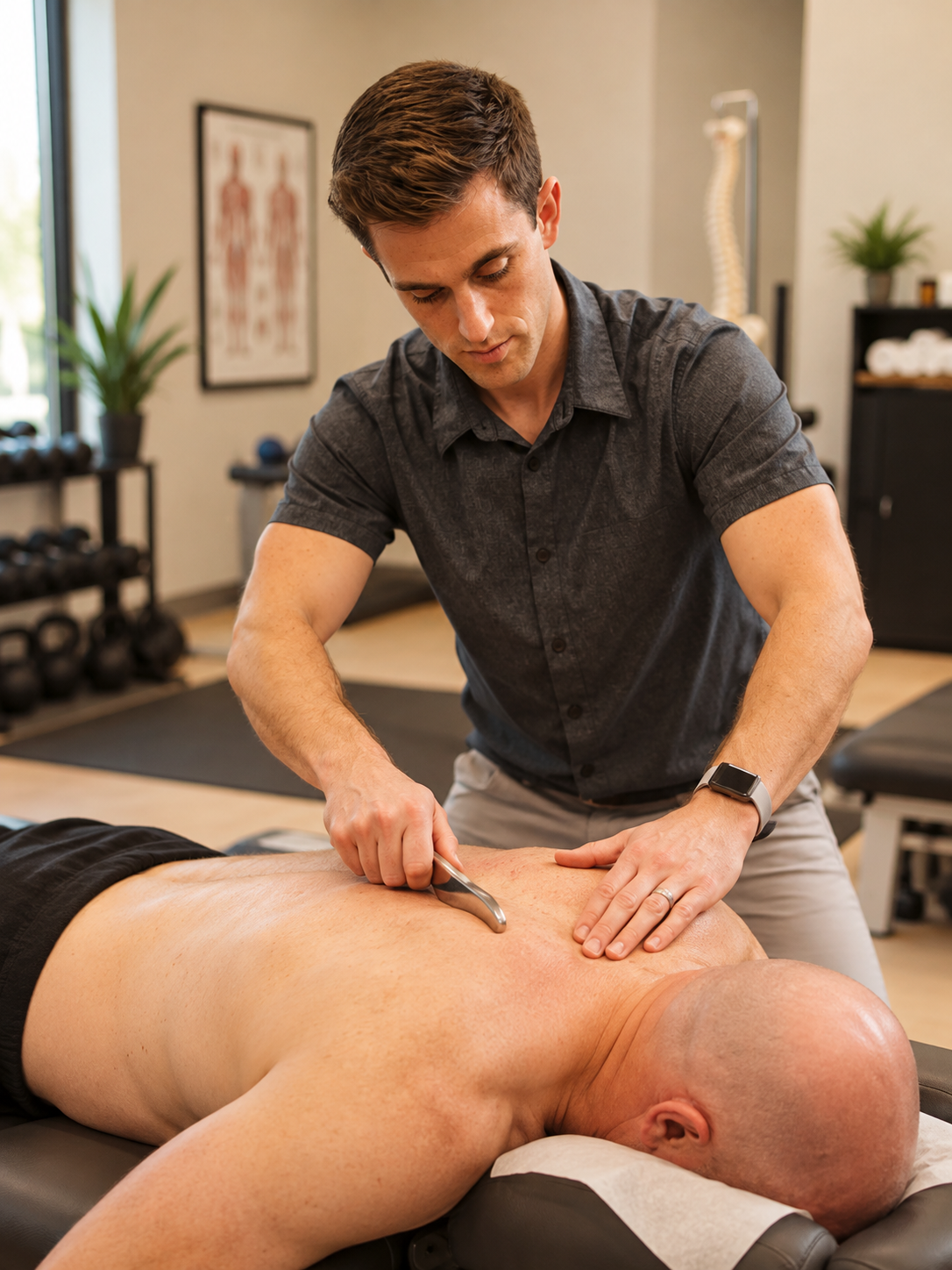
Instrument-assisted soft tissue treatment on a patient’s upper back
Understand the Care

What Is Soft Tissue Therapy?

Soft tissue is a broad term for structures such as muscles, tendons, connective tissue, and other tissues involved in movement.

Soft tissue therapy describes hands-on and instrument-assisted approaches used to address muscles and surrounding tissues when they appear to be contributing to pain, sensitivity, restricted motion, or difficulty with movement.

At Summit Spine & Wellness, that may involve different forms of manual pressure, movement, instrument-assisted work, or cupping depending on what is appropriate for the individual patient.

Research on manual and soft tissue therapies varies by technique and condition, but some studies support short-term improvements in pain, range of motion, and function for selected patients.

The technique matters less than choosing an approach that fits the clinical problem and your goals.

Dr. Hiebert is not trying to find a reason to use every tool available.

He is trying to determine:

What seems to be getting in the way of the movement you want, and what approach may reasonably help?

That keeps soft tissue therapy connected to a larger goal rather than becoming treatment for the sake of treatment.

Movement Context

Why Muscles & Soft Tissues Can Matter

Your muscles are involved in almost everything you ask your body to do.

Working. Walking. Lifting. Sitting. Running. Golfing. Driving. Training. Gardening. Playing with your kids.

Even seemingly small changes in how comfortable or confident a movement feels can start changing the way you use your body.

Sometimes people begin avoiding a movement.

Sometimes they compensate around an uncomfortable area.

Sometimes they simply notice that something feels tighter or more restricted than it used to.

Soft tissue therapy may be considered when Dr. Hiebert believes muscles or surrounding tissues are part of that picture.

The goal is not to chase every tight spot.

It is to determine whether addressing that area can contribute to better movement, comfort, or progress toward the goal that brought you in.

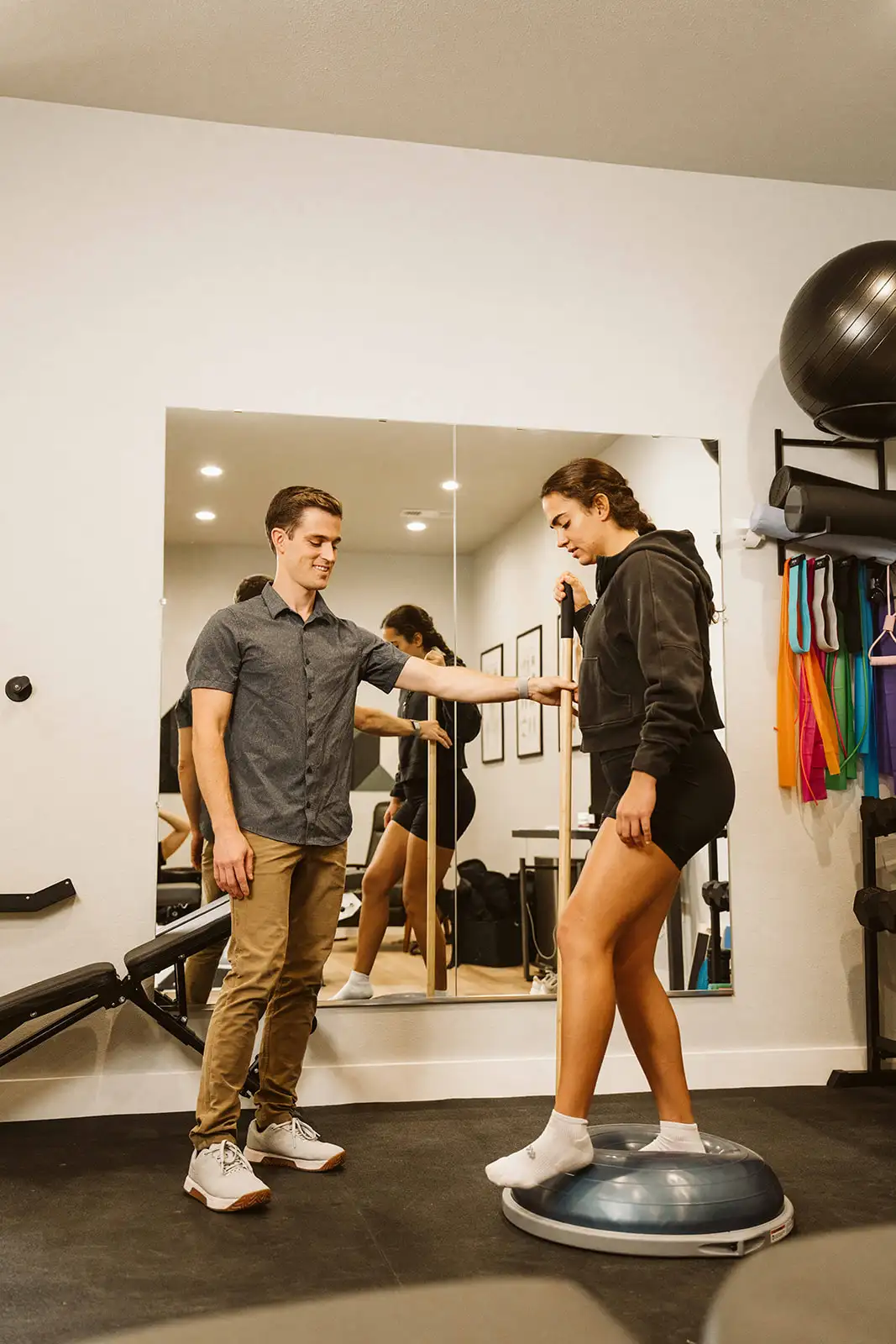
Dr. Hiebert guiding a patient through a balance exercise
Hands-On Options

Myofascial Release & Hands-On Soft Tissue Work

One approach patients may encounter is myofascial release or other forms of hands-on soft tissue treatment.

These approaches use manual pressure and movement rather than an adjustment or treatment device.

The exact amount of pressure and technique can vary based on the patient, the area being treated, and the purpose of treatment.

Myofascial and other manual soft tissue techniques may help some patients experience short-term improvements in discomfort, mobility, or tolerance for movement.

They are not a guaranteed or permanent solution.

Maybe the area feels sensitive.

Maybe movement feels restricted.

Maybe muscle tension is interfering with an activity you want to perform.

If hands-on soft tissue therapy makes sense, Dr. Hiebert can explain why he is recommending it and what role he believes it may play in your care.

You should understand the purpose of the treatment, not simply be told that you “need soft tissue work.”
Targeted Tools

Instrument-Assisted Soft Tissue Therapy

Sometimes a provider may use a specialized handheld instrument rather than working only with the hands.

This is generally referred to as instrument-assisted soft tissue therapy or instrument-assisted soft tissue mobilization (IASTM).

Patients researching this type of treatment may also encounter branded terms such as Graston Technique.

These instruments allow a provider to apply targeted pressure while working through a specific area or movement.

Research on instrument-assisted soft tissue mobilization suggests it may improve pain, range of motion, or function in some musculoskeletal conditions, although results vary and it should not be viewed as a stand-alone cure.

At Summit, the tool itself is not the treatment plan.

If instrument-assisted work is being considered, Dr. Hiebert still wants to know:

What are you experiencing?

How is the area moving?

What activity is being affected?

What are you trying to improve?

Does this particular approach make sense for you?

The purpose should always come before the technique.

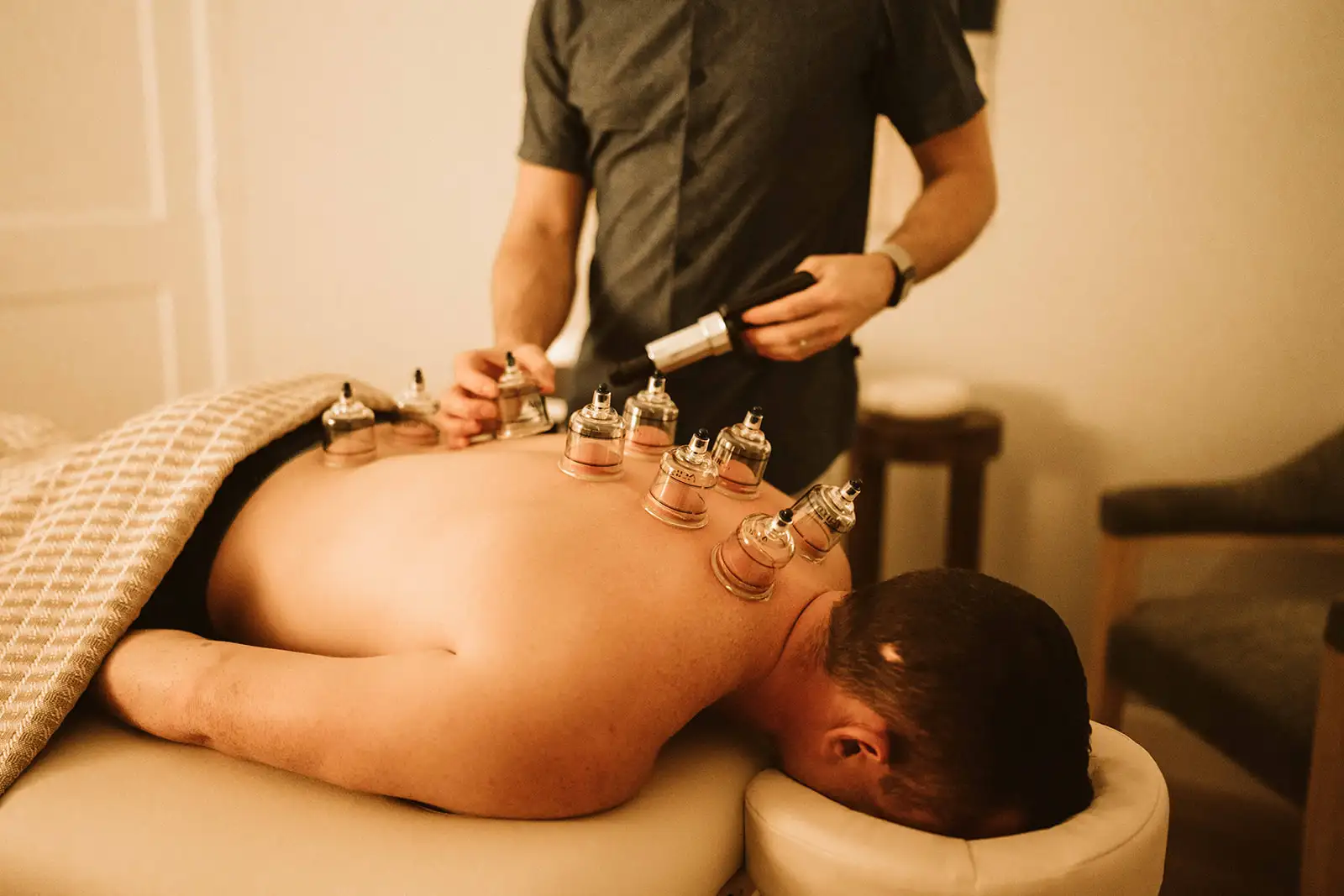
Cupping therapy applied to a patient’s back
Individualized Technique

What About Active Release Techniques?

People researching soft tissue therapy in Colleyville may also come across Active Release Techniques (ART), a specialized approach to soft tissue treatment that combines targeted manual pressure with movement.

Dr. Hiebert has completed previous training in Active Release Techniques and has experience incorporating principles from this type of soft tissue work into patient care.

At Summit Spine & Wellness, soft tissue treatment is individualized based on the patient’s condition, examination findings, comfort, and treatment goals.

Rather than relying on one specific technique for every patient, Dr. Hiebert may incorporate different manual and soft tissue approaches when clinically appropriate.

Regardless of the technique name, the philosophy remains the same:

Choose the approach that makes sense for the patient rather than forcing every patient into a specific treatment method.

Another Soft Tissue Option

Cupping Therapy in Colleyville

Cupping is another soft tissue option that may be considered as part of a broader treatment or recovery plan.

During cupping, cups are placed against the skin and suction is created over the treatment area.

If you have seen athletes or other people with circular marks on their shoulders or backs, there is a good chance you have already seen what cupping can look like afterward.

Temporary circular discoloration or marks are common after cupping and can remain visible for several days.

Dr. Hiebert can explain what to expect before treatment.

That does not mean cupping is automatically the right choice for every tight or sore muscle.

At Summit, cupping is simply another option Dr. Hiebert may consider when he believes it makes sense for the individual patient.

If cupping is recommended, you should understand:

Why Dr. Hiebert is considering it

What area is being treated

What the treatment may feel like

What you may notice afterward

How it fits into the rest of your care

You should not have to choose cupping simply because you saw it online or because someone else had a good experience with it.

Your care should still start with you.

Look Beyond “Tight”

Soft Tissue Therapy for Muscle Tightness & Restricted Movement

A common reason people look for soft tissue therapy is that something simply feels tight.

Maybe your shoulder does not move the way you want when you lift.

Maybe your neck feels limited when you turn your head.

Maybe your hip or leg becomes tight every time you exercise.

Maybe one side of your body consistently feels different from the other.

But feeling tight does not automatically tell us why something is happening.

And it does not automatically tell us which treatment you need.

Dr. Hiebert may consider both the uncomfortable area and the movement surrounding it.

Does the area feel sensitive?

Is movement restricted?

Does the problem appear during a particular activity?

Does strength need attention?

Does mobility need attention?

Is another area contributing?

What have you already tried?

That bigger picture helps determine whether soft tissue therapy should be part of the plan.

Meaningful Progress

Why We Use Soft Tissue Therapy

Soft tissue therapy can be a useful way to reduce symptoms or improve movement tolerance so that a patient can participate more comfortably in exercise, rehabilitation, work, or sport.

For some patients, the short-term change in pain or mobility can create an opportunity to move more effectively and build longer-term capacity through active care.

We do not use soft tissue therapy because every tight muscle needs to be “released.”

We use it when the examination and your response to treatment suggest that hands-on care may help you move toward a specific functional goal.

Short-term change should create an opportunity for meaningful progress, not simply another reason to repeat passive treatment.

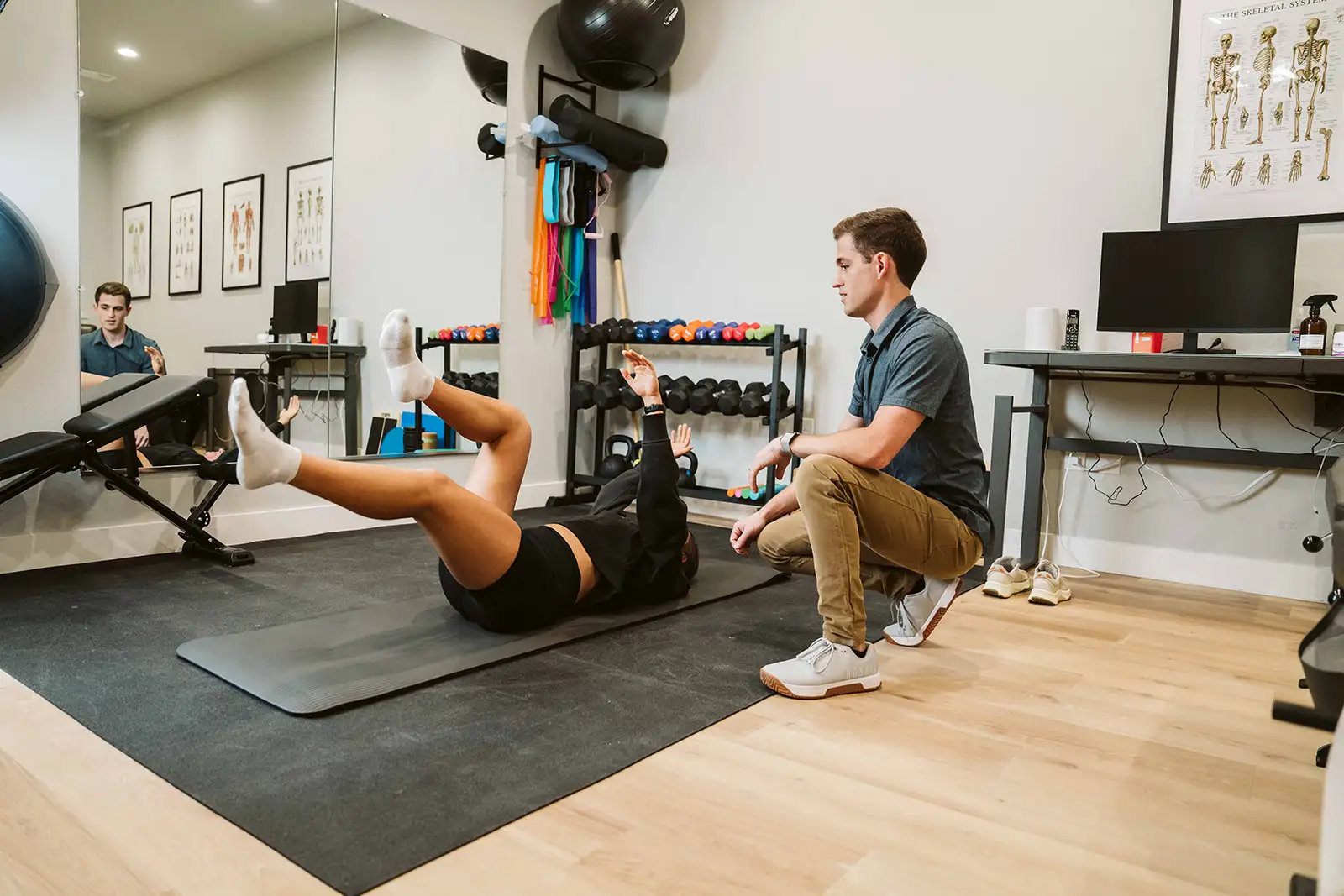
Dr. Hiebert coaching a patient through a floor-based rehabilitation exercise
Care for Real Life

Soft Tissue Therapy for Active Adults & Sports Recovery

Being active can ask a lot from your body.

Running. Strength training. Cycling. Golf. Pickleball. Team sports. Weekend projects. Travel. Hiking. Or simply keeping up with a busy schedule.

You do not have to be a competitive athlete to notice when a tight or irritated area begins affecting movement.

At Summit, soft tissue therapy may be considered when muscle-related discomfort or restricted movement is interfering with activities that matter to you.

Maybe you cannot reach the same position during a workout.

Maybe you notice an area every time you swing a golf club.

Maybe your legs feel restricted during a run.

Maybe something becomes uncomfortable after sitting through a long workday.

The goal is not just to treat a muscle because it feels tight.

The goal is to connect care to what you are actually trying to do.

And sometimes the bigger need is not more passive treatment.

Sometimes it is strength.

Sometimes it is movement.

Sometimes training or everyday habits need attention.

Soft tissue therapy may be one useful piece of that process.

Golfer completing a follow-through on a golf course
No Self-Diagnosis Needed

Which Type of Soft Tissue Therapy Do I Need?

You do not need to choose.

You do not need to book an appointment already knowing that you want myofascial release instead of cupping.

You do not need to decide whether you need instrument-assisted work.

And you do not need to arrive asking for a particular branded technique.

Tell Dr. Hiebert what is going on.

He can then consider:

What you are experiencing

The area involved

How you are moving

Your health and injury history

Your comfort level

What you want to accomplish

How a particular technique may fit into the rest of your care

If soft tissue therapy makes sense, he can explain which approach he recommends and why.

Your job is to tell us what is getting in the way.

Our job is to help determine what may make sense next.

Not Sure Which Technique You Need?

You do not need to decide before scheduling.

Start with an evaluation and let Dr. Hiebert determine whether soft tissue therapy, another Summit service, or another type of care makes sense.

Connected Care

Soft Tissue Therapy Is Often Only One Piece

Hands-on care can be useful for reducing symptoms and improving movement in the short term, but lasting progress often depends on what your body can do after you leave the treatment room.

Your body still has to work. Train. Drive. Lift. Walk. Golf. Travel. Play. And handle everything else your normal life requires.

That is why Summit’s overall approach connects treatment with movement and real life.

Depending on your situation, soft tissue therapy may be used alongside other services.

Dry Needling

A targeted option that may be considered when muscle tension or sensitive areas are part of the problem.

Explore Dry Needling

Chiropractic Adjustments

Hands-on chiropractic care may also be considered when joint movement and function are part of the conversation.

Explore Chiropractic Adjustments

The goal is not to stack every service together. It is to determine which options actually make sense for you.

You can also Explore All Summit Services or Learn About Our Approach to see how these options fit into individualized care.

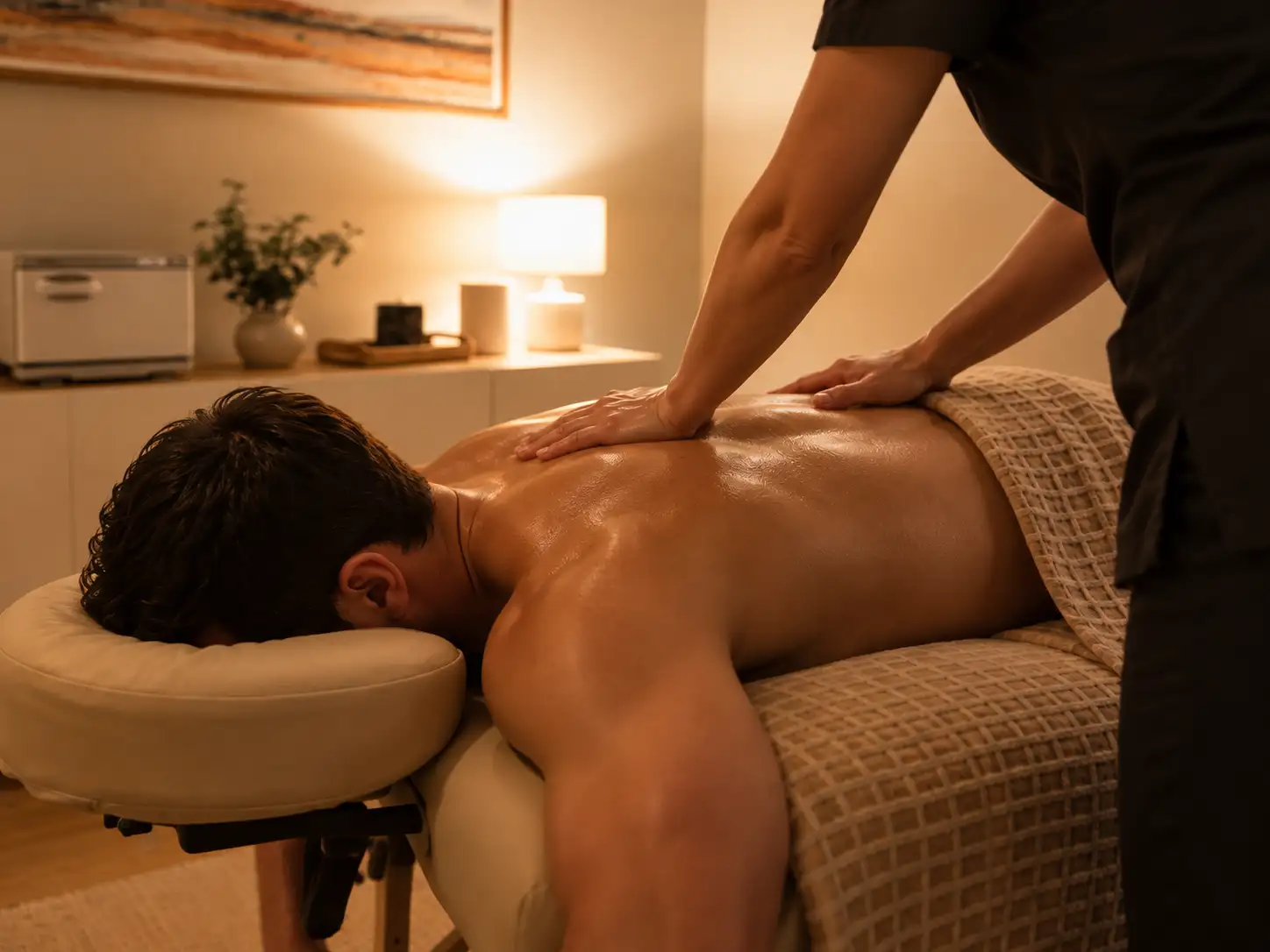
Massage therapist providing a back massage in a warmly lit treatment room
Understand the Difference

Soft Tissue Therapy vs. Massage Therapy

Soft tissue therapy and massage can overlap because both involve hands-on work with muscles and surrounding tissues.

But they are not necessarily the same service.

At Summit, Soft Tissue Therapy focuses on targeted techniques that may be incorporated into chiropractic, movement, and rehabilitation care.

Massage Therapy is offered as its own dedicated Summit service and may also support recovery, relaxation, and wellness.

You do not need to figure out which one you need before contacting the office.

If you are looking for targeted treatment as part of a chiropractic or rehabilitation plan, soft tissue therapy may be part of the conversation.

If you are interested in massage as a standalone service, you can explore Summit’s Massage Therapy options.

Explore Massage Therapy
Clear Answers

Common Questions About Soft Tissue Therapy

What is soft tissue therapy?

Soft tissue therapy is a broad category of hands-on or instrument-assisted techniques focused on muscles and surrounding tissues. At Summit, the specific approach is selected based on the individual rather than using the same technique for every patient.

Does soft tissue therapy hurt?

Your experience depends on the technique, area being addressed, and your individual sensitivity. Some techniques may create pressure or temporary tenderness. You should communicate with Dr. Hiebert throughout treatment if something feels uncomfortable.

What is myofascial release?

Myofascial release is a term commonly used for hands-on techniques involving pressure and movement applied to soft tissues. At Summit, it may be considered when appropriate as part of a larger treatment approach.

Is Graston the same as instrument-assisted soft tissue therapy?

Graston Technique is a branded form of instrument-assisted soft tissue mobilization. At Summit, Dr. Hiebert may use instrument-assisted techniques when they fit the patient’s presentation, without implying that one branded method is necessary for good care.

What is Active Release Technique?

Active Release Techniques is a specialized approach to soft tissue treatment involving targeted manual pressure and movement. Dr. Hiebert has completed previous training in Active Release Techniques and may incorporate principles from this type of soft tissue care when appropriate.

What does cupping feel like?

Cupping uses suction against the skin. The sensation varies from person to person, and temporary circular marks or discoloration may remain afterward for several days.

Can soft tissue therapy break up scar tissue?

Soft tissue therapy does not literally break up or remove scar tissue. When a previous injury or surgery appears relevant, the goal may instead involve addressing sensitivity, mobility, and movement around the area.

Do I need to know which soft tissue technique I want?

No. Tell Dr. Hiebert what is bothering you, when you notice it, and what you want to improve. If soft tissue therapy is appropriate, he can explain which approach he believes makes sense and why.

Can soft tissue therapy be combined with chiropractic care or rehabilitation?

Yes, when appropriate. Soft tissue therapy may be one part of a broader individualized plan that includes chiropractic adjustments, active rehabilitation, corrective exercise, dry needling, or other appropriate services. The goal is not to use every treatment available. It is to use the options that make sense for you.

Local, Personalized Care

Soft Tissue Therapy in Colleyville, Texas

Summit Spine & Wellness offers personalized soft tissue therapy as part of our broader chiropractic, rehabilitation, movement, and recovery approach in Colleyville.

Whether you are dealing with stubborn muscle tightness, restricted movement, an area that keeps getting irritated during activity, or simply are not sure what type of care you need, start with a conversation.

You do not need to diagnose the problem.

And you do not need to select the technique.

Summit Spine & Wellness

6416 Colleyville Blvd., Unit 108
Colleyville, TX 76034

(682) 223-1308Get Directions
Start With Clarity

Not Sure Which Soft Tissue Approach Makes Sense?

Tell Dr. Hiebert what is bothering you, when you notice it, what you have already tried, and what you want to get back to doing. He’ll evaluate what is going on and explain which approach may make sense.

No preset technique.No one-size-fits-all plan.Recommendations built around your goals.

Summit Spine & Wellness
6416 Colleyville Blvd., Unit 108
Colleyville, TX 76034

Your Next Step

A Clear Evaluation. A Recommendation Built Around You.

Dr. Hiebert can determine whether soft tissue therapy, rehabilitation, dry needling, chiropractic care, or another option makes sense.