




$69 New Patient OfferView Offer
Age-Appropriate Care • Parent-Informed Decisions

Pediatric Chiropractic Care in Colleyville, TX

When something is bothering your child, you want clear answers before anyone starts treatment.

At Summit Spine & Wellness, Dr. Hiebert takes an individualized, age-appropriate approach to pediatric chiropractic care, with parents involved in understanding the evaluation, recommendations, and next steps.

  • Age-appropriate evaluation and care
  • Parents included in decisions
  • No automatic treatment or adjustment

Your child is not just a smaller adult.

Chiropractic care for a child at Summit Spine and Wellness

Parents Included

Age-Appropriate Care

Questions Are Welcome

You Should Understand What Is Being Recommended for Your Child

Scheduling care for yourself is one thing.

Making a healthcare decision for your child feels different.

Parents naturally have questions.

What will you do?

Will my child be comfortable?

How is pediatric chiropractic different from adult chiropractic?

Does my child even need an adjustment?

What if chiropractic care is not the right option?

Those are reasonable questions.

At Summit, the goal is not to convince every parent that their child needs chiropractic care.

The goal is to understand what is going on and help determine what makes sense next.

That may include chiropractic care.

It may include movement or exercise recommendations.

It may involve watching the situation and making practical changes.

Or it may mean that another healthcare provider is the better next step.

An evaluation does not automatically mean treatment.

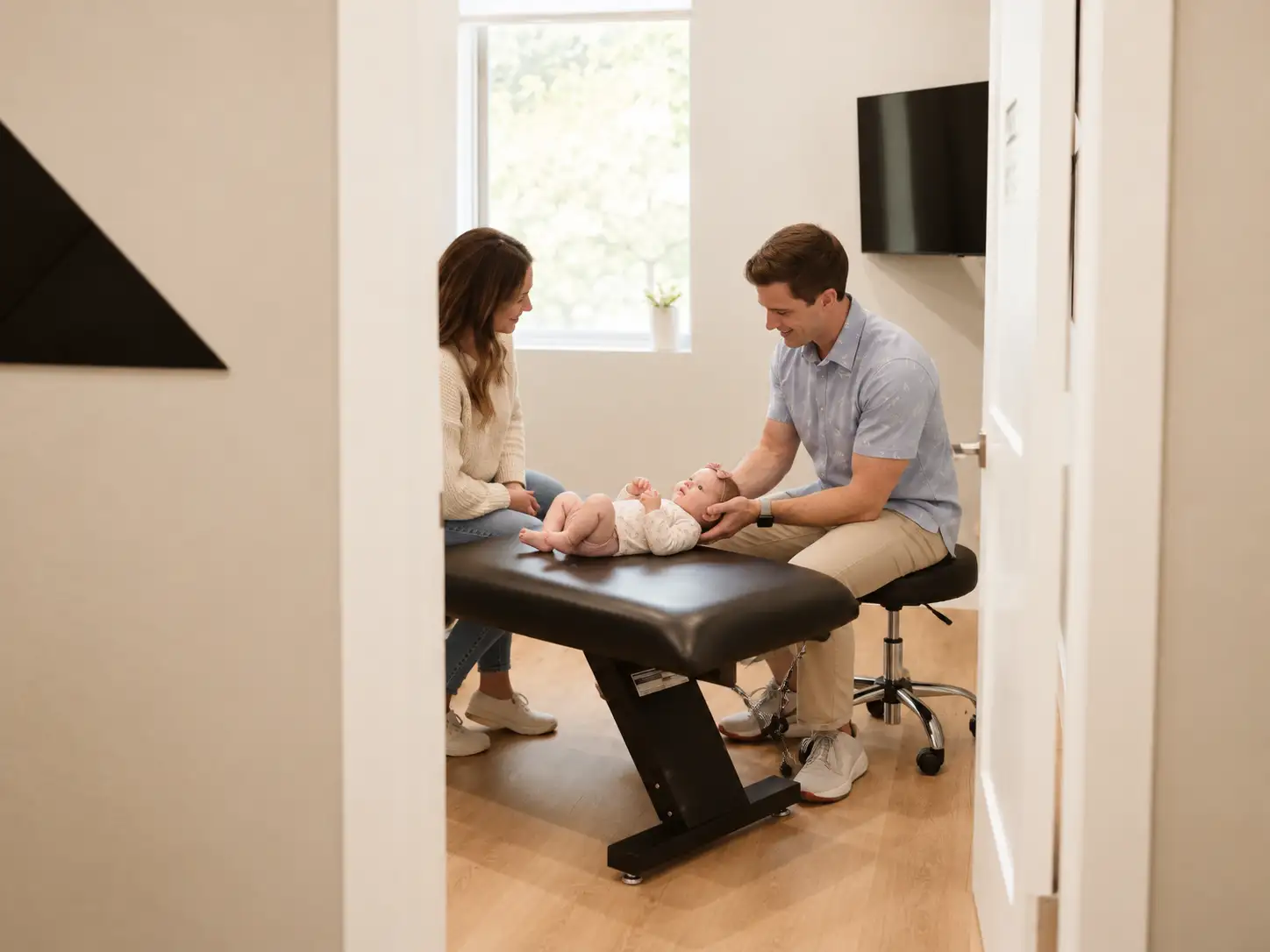
Chiropractor supporting a child's head during a pediatric visit
Individual Evaluation

What Is Pediatric Chiropractic Care?

Pediatric chiropractic care focuses on evaluating musculoskeletal and movement-related concerns in children using an approach appropriate for their age, size, development, and individual situation.

That means Dr. Hiebert does not begin with the assumption that every child needs the same type of treatment.

He considers:

Your child’s age

Their size

Their health history

Previous injuries

Their reason for visiting

Activities and sports

Movement

Comfort level

Examination findings

Your concerns as the parent

The recommendation comes after that information is considered.

For some children, chiropractic care may be reasonable.

For others, movement strategies, activity modification, rehabilitation, observation, or referral to another provider may be more appropriate.

The goal is not to fit your child into a predetermined treatment plan.

The goal is to determine what your child actually needs.

Care That Fits the Child

How Is Chiropractic Care Adapted for Children?

One of the biggest questions parents have is whether pediatric chiropractic treatment is different from treatment for adults.

It should be.

A five-year-old, a twelve-year-old soccer player, and a seventeen-year-old weightlifter are not the same patient.

The approach may change based on:

Age

Body size

Development

Communication

Comfort

Reason for care

Examination findings

Type of movement involved

Whether hands-on treatment is appropriate

If an adjustment is considered, the technique and amount of force should be appropriate for that child.

Dr. Hiebert will explain what he plans to do before doing it.

There is no reason for your child or you to be surprised by treatment.

The technique should fit the child. The child should never have to fit the technique.

What to Expect

What Happens at a Pediatric Chiropractic Visit?

Mother and baby speaking with a chiropractor in the clinic

Dr. Hiebert may begin by discussing:

  • What your child has been feeling
  • When the problem started
  • What activities affect it
  • Previous injuries
  • Relevant medical history
  • Sports and physical activity
  • School and screen habits
  • What you have already tried

The first step is understanding why you brought your child in.

Maybe they have been mentioning discomfort.

Maybe something feels different after sports or activity.

Maybe you have noticed changes in how they move.

Maybe you have questions about posture.

Or maybe you simply want to know whether a musculoskeletal concern is appropriate for chiropractic evaluation.

He can then perform an age-appropriate evaluation based on the reason for the visit.

That may include observing movement, checking mobility, looking at how your child performs certain basic motions, and evaluating the area involved.

Afterward, Dr. Hiebert can explain what he found and what he recommends.

If chiropractic care is reasonable, he can explain why.

If another approach makes more sense, he can explain that too.

Growing Bodies, Busy Days

Movement & Posture in Growing Kids

Child wearing a backpack walking through a home entryway

Dr. Hiebert may consider things such as:

  • Neck and upper-back movement
  • Shoulder movement
  • Sitting habits
  • Screen setup
  • Backpack habits
  • Activity level
  • Sport demands
  • Strength or movement control when relevant

Children spend a lot of time doing things previous generations did not necessarily do in the same way.

Schoolwork. Laptops. Tablets. Phones. Gaming. Long car rides.

Then there are sports, backpacks, practices, rehearsals, and everything else that comes with a busy childhood.

That does not mean technology or sitting is automatically harmful.

But if your child consistently complains about discomfort during certain positions or activities, it may be worth looking at how they are moving and what their daily routine requires.

There is no single “perfect posture” that every child needs to maintain.

The goal is to identify practical changes that may make school, sports, exercise, or everyday movement more comfortable and sustainable.

Sports & Activity

Pediatric Chiropractic for Young Athletes

Child practicing balance with a chiropractor nearby

Sports are a major part of childhood for many families in Colleyville and the surrounding area.

Soccer. Baseball. Football. Basketball. Volleyball. Gymnastics. Dance. Cheer. Swimming. Martial arts. And many others.

Young athletes run, jump, throw, rotate, fall, land, collide, and repeat movements over and over again.

When something begins interfering with participation, it is reasonable to have the issue evaluated.

Dr. Hiebert may look at:

  • How your child moves
  • Which activity causes the problem
  • Mobility
  • Strength or control when appropriate
  • Previous injuries
  • Training volume
  • The demands of the sport

For a young athlete with a musculoskeletal complaint, the plan may include education, temporary activity modification, mobility or strengthening work, rehabilitation, and manual therapy when appropriate for the individual.

For many older children and teenagers, active rehabilitation and a gradual return to activity may be especially important.

The goal is not simply to reduce symptoms in the office.

It is to help the athlete tolerate the demands of the sport and work toward returning to activity comfortably and confidently.

What Does a Pediatric Adjustment Feel Like?

There is no single answer because pediatric care should vary based on the child.

If Dr. Hiebert believes an adjustment is appropriate, he can explain:

What he plans to do

Where he plans to treat

Why he is recommending it

What your child may feel

Whether another option is available

Some children may be completely comfortable with hands-on treatment.

Others may feel nervous simply because the experience is unfamiliar.

That matters.

Your child’s comfort and ability to understand what is happening should be part of the visit.

Dr. Hiebert can adjust the approach based on age, comfort, and the reason for treatment.

If your child is uncomfortable or has questions, those concerns should be addressed rather than ignored.

An Evaluation Does Not Automatically Mean an Adjustment

This is important.

Bringing your child to a pediatric chiropractor does not mean an adjustment automatically happens.

Sometimes chiropractic care may be reasonable.

Sometimes movement recommendations or corrective exercises may be more useful.

Sometimes an issue simply needs to be watched.

And sometimes Dr. Hiebert may believe your child should be evaluated by another provider.

Depending on the situation, that may include referral to a:

Pediatrician

Sports medicine physician

Orthopedic provider

Physical therapist

Other appropriate healthcare professional

Children can also have pain or movement changes that require medical evaluation rather than chiropractic treatment.

Persistent or unexplained pain, significant trauma, neurologic changes, systemic symptoms, or other concerning findings may warrant referral or co-management.

If Dr. Hiebert believes something falls outside the appropriate scope of chiropractic care, the goal is to help point you in the right direction.

The right next step matters more than making chiropractic the next step.

Mother present during her baby's chiropractic visit
Clear, Shared Decisions

Parents Stay Part of the Conversation

Nothing about your child’s care should feel mysterious.

You should understand what Dr. Hiebert is evaluating.

You should understand what he finds.

You should understand what he recommends.

And you should have an opportunity to ask questions before treatment proceeds.

Parent or guardian involvement is an important part of pediatric care.

Depending on your child’s age, Dr. Hiebert can also explain things directly to them in a way they understand.

That can help make the visit feel less intimidating.

Instead of talking around the child, we want them to feel included when appropriate.

If either you or your child has concerns about a recommended treatment, say so.

Good care should allow room for questions.

Clear Clinical Boundaries

Pediatric Chiropractic Is Not About Treating Everything

Chiropractic care is sometimes promoted online for a wide range of childhood medical and developmental conditions.

The available research does not support using spinal manipulation as a treatment for general pediatric conditions such as:

Colic

Asthma

Ear infections

ADHD

Autism

Breastfeeding difficulties

Other non-musculoskeletal disorders

That is not the role of pediatric care at Summit.

Our focus is on appropriate evaluation of musculoskeletal, movement, sports, and activity-related concerns and determining whether conservative musculoskeletal care is appropriate.

Medical, developmental, neurologic, respiratory, gastrointestinal, and other non-musculoskeletal concerns belong with your child’s pediatrician or another appropriate healthcare professional.

When a complaint is musculoskeletal, Dr. Hiebert can evaluate it and explain whether movement-based care, rehabilitation, manual therapy, observation, or referral makes the most sense.

That is why Dr. Hiebert starts with the individual child rather than a list of conditions he wants to treat.

The goal is appropriate care, clear boundaries, and the right next step for your child.

Individualized Options

Pediatric Care Can Connect With Other Summit Services

Depending on your child’s age and needs, pediatric care may sometimes connect with other Summit services.

Corrective Exercise & Posture

For older children and teenagers, posture, screen habits, movement, and practical exercises may sometimes be part of the conversation.

Explore Corrective Exercise & Posture

Active Rehabilitation

For older children and adolescents with musculoskeletal problems, structured mobility, strength, education, and gradual return-to-activity strategies may be an important part of care.

Explore Active Rehabilitation

Having multiple options does not mean your child needs multiple treatments.

The plan should use only the services that have a clear purpose for the child in front of us.

Clear Answers for Parents

Common Questions About Pediatric Chiropractic

What does pediatric chiropractic care involve?

Pediatric chiropractic care begins with an age-appropriate evaluation of your child’s history, symptoms, movement, and reason for visiting. Recommendations are made after the evaluation rather than assuming every child needs treatment.

How is chiropractic care different for children than adults?

The approach should be adapted to the child’s age, size, development, comfort, and individual needs. Pediatric care should not simply duplicate adult treatment.

Are pediatric chiropractic techniques adjusted for age and size?

Yes. If hands-on chiropractic treatment is appropriate, the approach should take your child’s age, size, comfort, and clinical findings into account.

Will my child automatically be adjusted at the first visit?

No. An evaluation does not automatically mean an adjustment. Dr. Hiebert first needs to understand what is happening and determine whether chiropractic care is appropriate.

Can a pediatric chiropractor evaluate posture and movement concerns?

Yes. Dr. Hiebert can evaluate musculoskeletal and movement-related concerns, including situations where posture, activity, screen habits, or sports may be part of the overall picture.

Can chiropractic care be considered for young athletes?

Chiropractic care may be considered for certain musculoskeletal concerns in young athletes after an appropriate evaluation. Rehabilitation, corrective exercise, activity modification, observation, or referral may also be appropriate depending on the situation.

When would Dr. Hiebert refer my child to another provider?

If Dr. Hiebert believes the concern falls outside the appropriate scope of chiropractic care or needs further medical evaluation, he may recommend your child see a pediatrician, sports medicine physician, orthopedic provider, physical therapist, or another appropriate healthcare professional.

What if I am not sure whether my child's problem is appropriate for chiropractic?

You do not need to decide that before scheduling. Tell Dr. Hiebert what you have noticed and what concerns you. The evaluation can help determine whether care at Summit makes sense or whether another provider would be a better next step.

Local Pediatric Care

Pediatric Chiropractor in Colleyville, Texas

If your child is dealing with a musculoskeletal concern, movement issue, sports-related problem, or you simply want to know whether chiropractic care may be appropriate, start with an evaluation.

You do not need to decide ahead of time whether your child needs an adjustment.

That is part of what Dr. Hiebert is there to help determine.

Summit Spine & Wellness provides individualized pediatric chiropractic care in Colleyville, TX with an emphasis on age-appropriate evaluation, parent involvement, clear explanations, and recommendations based on the individual child.

Summit Spine & Wellness

6416 Colleyville Blvd., Unit 108
Colleyville, TX 76034

(682) 223-1308Get Directions

Start With Clarity

Not Sure If Pediatric Chiropractic Care Is Right for Your Child?

Tell Dr. Hiebert what you have noticed, when it started, and what your child is having trouble doing. He’ll evaluate the situation, explain what he finds, and help you understand whether pediatric chiropractic care or another next step may be appropriate.

Age-appropriate care. Parents included. No automatic treatment.

6416 Colleyville Blvd., Unit 108 · Colleyville, TX 76034